Project Maracuya delivered 2,187 produce boxes to Miami families
Project Maracuya ended in 2026. From December 6, 2024 to September 12, 2026, we delivered 2,187 boxes of produce to 184 households in 49 ZIP codes of Miami-Dade County over 92 weeks.1
Each household received one box a week for as long as our funding allowed, free or for a $10 fee, whichever it could afford.
Boxes we delivered each week, from December 6, 2024, the first week in our records, to September 12, 2026. The chart covers 92 weekly sheets and 2,187 boxes.
A weekly box, picked up at a market or delivered
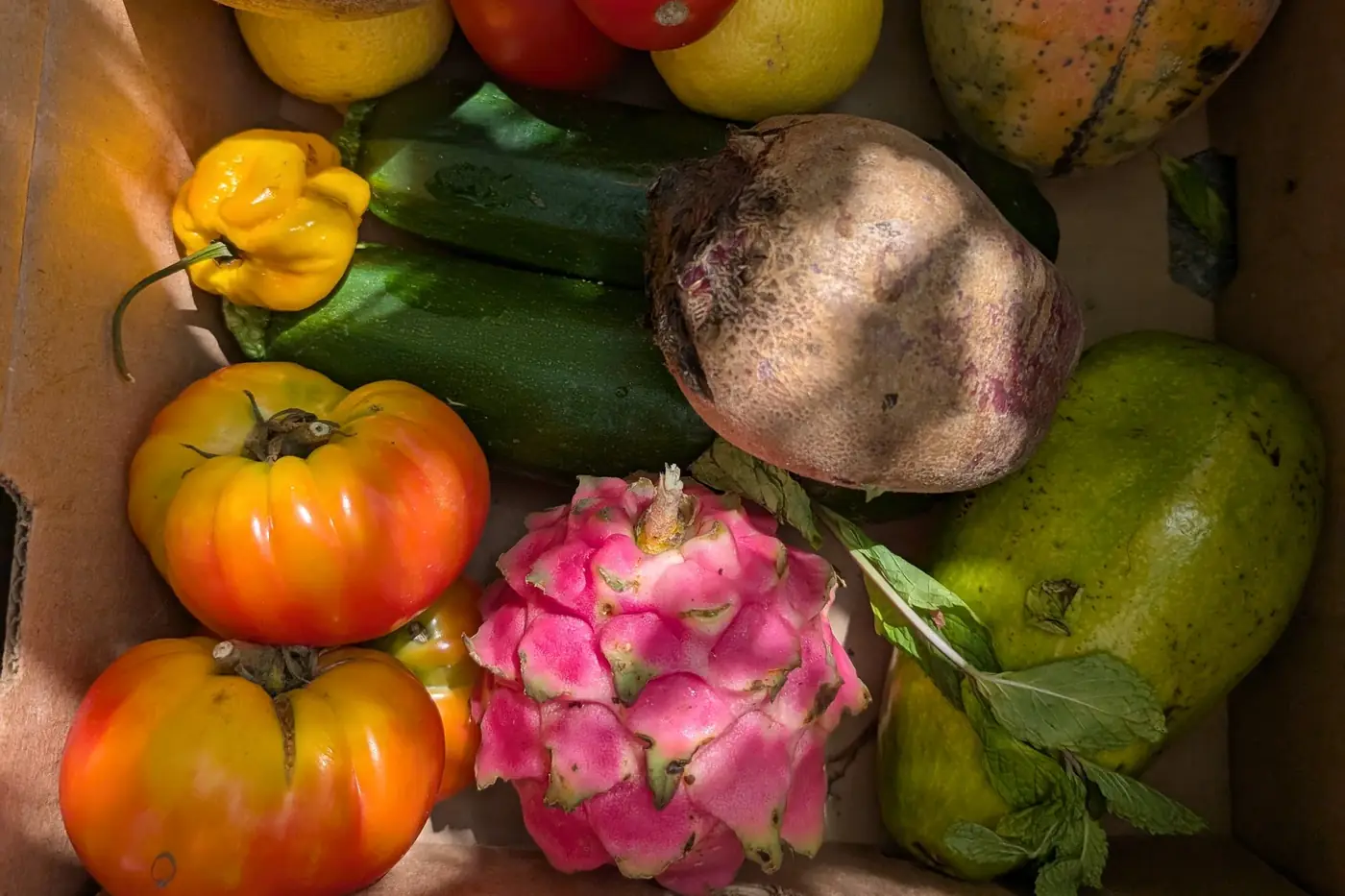
Project Maracuya started during the COVID pandemic as the Almost Free Food Program. Each week a household picked up its box at one of our markets or had it delivered, filled with produce from the more than 20 farms we buy from.
In April 2026 we asked E., one of our box customers, what the boxes had changed at home.
Honestly, it has made us more of a nuclear family. If anything, we really enjoy making meals from these boxes together.
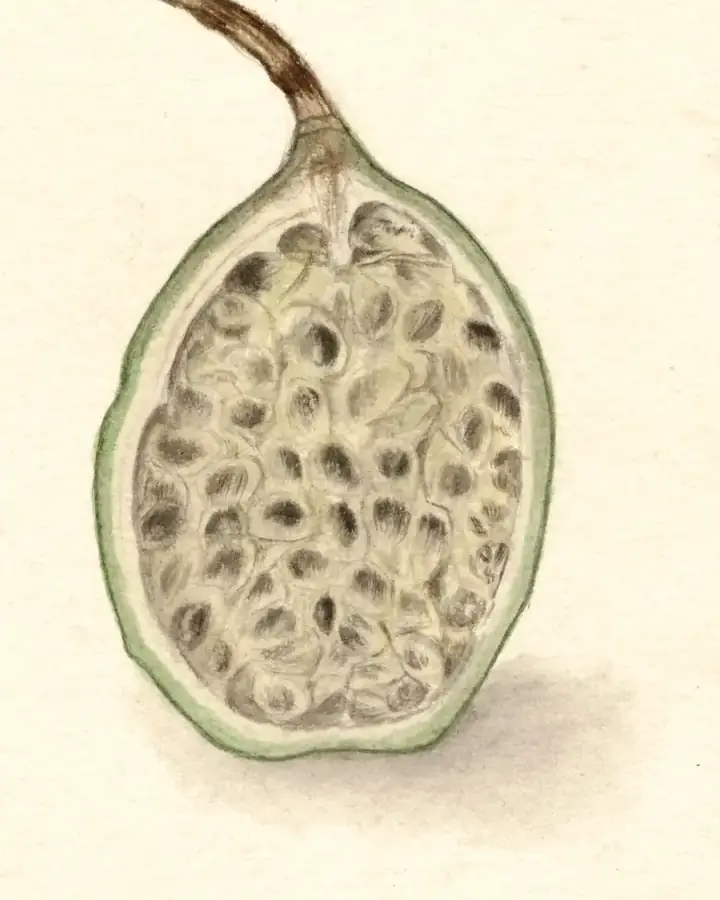
E., Farmers Market SNAP customerPassion fruit. USDA Pomological Watercolor Collection.
The map shows where 934 of the boxes went
Our weekly delivery sheets recorded a ZIP code for 934 of the 2,187 boxes.1 The map counts only those 934 boxes, so each shaded ZIP code shows a minimum count.
Darker ZIP codes received more boxes. The map counts the 934 of 2,187 boxes that have a recorded ZIP code, December 2024 to September 12, 2026.
The Families We Reached
The typical applicant household was three people living on $1,600 a month.1 About two in three applicants who answered had at least one child at home.
66%
of applicants who answered were enrolled in at least one assistance program.
64%
of households came back for two or more weeks.
Produce prescriptions build on Project Maracuya
Project Maracuya ended in 2026 when its funding ran out.
Our produce prescription design builds on the markets and the delivery service that Project Maracuya used, with a clinic writing the prescription and a funder paying for the produce. We are seeking the funding to launch it.
Donors choose the program on the Donate form. A gift to the SNAP match pays for the green tokens we hand customers at our booth, and $300 builds one complete G.I.V.E. garden with a Miami family.
1. Urban Oasis Project, Project Maracuya weekly delivery sheets and applicant records, December 6, 2024 to September 12, 2026 (data through 2026-09-12).